


A woman wakes up on a Wednesday morning, makes coffee, feeds the dog, and gets irritated because someone left an empty milk carton in the refrigerator.
There was a time when alcohol took up most of the space in her head. She thought about when she could drink, how much was left, whether anyone noticed, and what she had said the night before. She woke up thinking about alcohol and went to bed thinking about it.
Years later, she is thinking about who left the empty milk carton in the refrigerator.
We tend to look for more dramatic moments when we tell recovery stories. We want to hear about the person who went to treatment, never used again, repaired the relationships, found a new purpose, and emerged from the whole experience transformed.
Of course, those stories exist, but they aren’t the only ones.

There is also the person returning to treatment after a relapse, embarrassed because they have been there before. Then there is someone who survived an overdose but continued using afterwards. And there are people who have been in recovery for so long that most days, recovery is no longer the most interesting thing about them.
On August 31, International Overdose Awareness Day gives us the chance to remember people whose lives have been lost to overdose and to acknowledge the people who continue to grieve for them. In Canada, where thousands of people continue to die from opioid-related causes each year, that remembrance is important.
It is also worth talking about the people who are still here and what can happen next.
We’re here to help.
Contact us today for a no-obligation conversation with one of our professionals.
When addiction makes the future smaller
Addiction gradually takes up more and more room in a person’s life. What begins as one part of life can eventually start organising everything else around it: getting substances, using them, recovering afterwards, hiding the use, trying to stop and making promises to other people or yourself that this time will be different.
Other parts of life can slowly dissipate. Relationships change, and work becomes harder to manage. People stop doing things they once enjoyed. Shame leads to isolation, which can make an already difficult situation much worse. After living this way for a long time, imagining that a different future is possible can be difficult.
This is one reason why recovery stories matter so much. It isn’t because someone struggling with addiction needs an inspirational story about a stranger who went to treatment and lived happily ever after. Sometimes it is simply useful to know that other people have been in very bad places and their lives did not stay there.
Recovery almost never begins the moment everyone expects it to.
Consider someone who survives an opioid overdose. Naloxone is administered, paramedics arrive, and the person’s family is terrified. Some people may think that it seems impossible that anyone could come that close to dying and use again. But, it happens.
A life-threatening experience does not make addiction disappear because it doesn’t resolve trauma, treat a mental health condition, or change the circumstances surrounding someone’s substance use. It also doesn’t suddenly give a person the skills to cope with pain, anxiety, loneliness or stress in a different way.
For some people, an overdose does become a turning point, but for others, change comes later.
That can be incredibly difficult for families to accept because we naturally want the frightening thing to be the thing that finally changes everything. In reality, recovery doesn’t usually follow the timeline we think it should.
Returning to treatment isn’t starting over

Someone walking into a treatment centre for the second or third time already knows many of the questions they will be asked. They may have left the last time convinced they would never use again, and they may have told the people they love exactly that.
Coming back can carry a tremendous amount of shame. It can feel as though everything accomplished during the previous attempt is gone.
But relapse can also provide information. It can reveal situations a person wasn’t prepared for, mental health concerns that need addressed, relationships or environments that make recovery more difficult, or coping strategies that haven’t yet become strong enough to hold up when life gets hard.
The fact that someone needs treatment again does not mean the previous treatment meant nothing.
Recovery looks different from one person to another. It may involve residential treatment, individual therapy, peer support, medication, treatment for co-occurring mental health conditions, changes in relationships or environment, or several of these things together.
Some people experience a clear turning point and never return to substance use. Others have several periods of recovery and relapse before finding something that works for them.
The latter story simply means someone took a different route. It doesn’t mean their periods of recovery were in vain.
Harm reduction in recovery
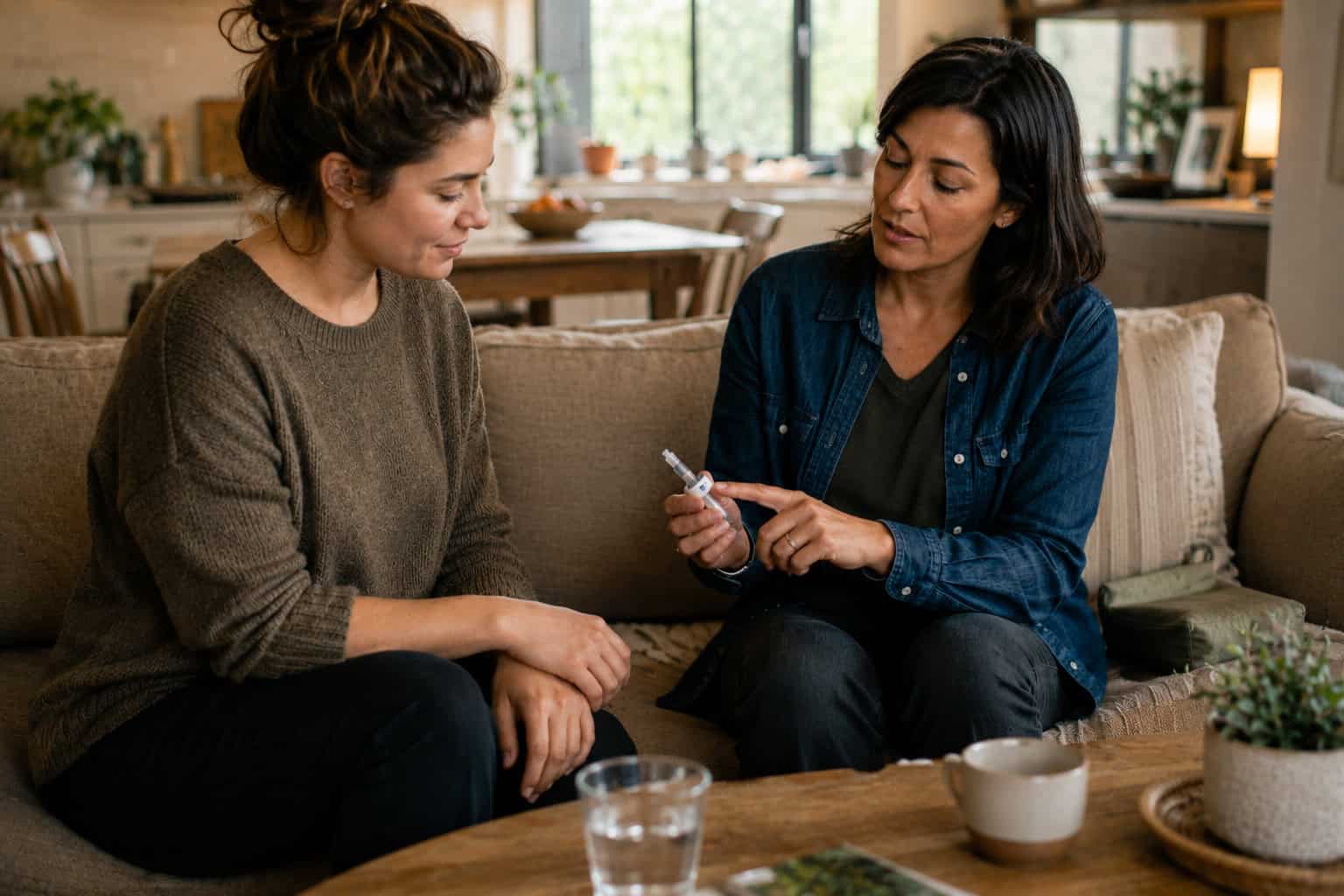
International Overdose Awareness Day also gives us an opportunity to talk about harm reduction.
Naloxone is a fast-acting medication that temporarily reverses the effects of an opioid overdose. Take-home naloxone kits are available across Canada, including through many pharmacies, and thousands of overdoses have been reversed through their use.
Harm reduction is sometimes discussed as though it conflicts with recovery. That creates a false choice.
A person who is not ready to stop using substances still needs to stay alive. They can have access to naloxone and healthcare. Friends and family can learn how to recognise an overdose and what to do when one occurs. In Canada, the Good Samaritan Drug Overdose Act also provides some protection from simple possession charges for people who seek emergency assistance during an overdose.
None of these measures guarantees that a person will eventually enter treatment or stop using substances. What they can do is give someone the opportunity to reach whatever comes next.
For some people, that next step eventually is treatment.
What comes back in recovery
The woman making coffee at the beginning of this article has been in recovery for several years now.
Her life isn’t perfect, because nobody’s is. She gets stressed about money, and she argues with people she loves. Sometimes she lies awake thinking about something embarrassing she said years ago. She has boring days and difficult days and days that are mostly fine.
There was a time when people didn’t trust her. They checked whether she had been drinking, stopped lending her money, or learned not to count on her when she promised to show up.
Those relationships did not repair themselves the day she stopped drinking. Trust came back through repeated behaviour over time. She showed up when she said she would. She answered the phone, and she kept plans. Eventually, the people around her didn’t need to watch so closely.
At some point, she didn’t need to watch herself quite so closely either.
We talk frequently about what a person gives up in recovery, but what comes back can be just as significant. People rediscover interests they had forgotten about. They sleep better, relationships improve, and they make plans further into the future. They learn that uncomfortable emotions can be felt without immediately escaping from them.
There is also boredom, which doesn’t make many lists of the benefits of recovery. But boredom can be a wonderful sign.
A boring Saturday afternoon means nothing terrible is happening. There is no crisis to solve and no lie to remember. You can go to the grocery store, watch something terrible on television, do something you used to enjoy when you were a child, or complain that there is nothing to do.
For someone whose life was once organised around addiction, ordinary can feel remarkably good.
Recovery is still real life

It is tempting to write about recovery as though treatment marks the point where the difficult part ends. Usually, that’s not the case.
People enter recovery with relationships to repair, bills to pay, grief to process and consequences that sobriety cannot erase. Some relationships heal, and others don’t. Mental health problems don’t necessarily disappear. There can also be periods when recovery itself feels exhausting.
None of this makes recovery less meaningful; in fact, it is simply evidence that recovery happens in the middle of an actual life.
Hope after addiction does not have to mean believing that everything will turn out perfectly. For someone who has spent a long time unable to imagine life changing, believing that things could be different can be enough to begin.
On August 31
International Overdose Awareness Day is a day of remembrance, and we should not rush past that grief in an effort to make the conversation uplifting.
There are families across Canada who will spend August 31 remembering someone they desperately wish were still here.
At the same time, there are people living today who have survived overdoses, returned to treatment after relapse or built lives they once could not imagine having. There are also people still using substances who have no idea yet what their story will look like.
We don’t know which normal Wednesday might eventually belong to them.
The woman from the beginning of this article probably doesn’t think much about the significance of making coffee anymore. She has work to do, messages to answer and an empty milk carton to throw away.
Years ago, she wanted a different life, and now she has one.
Centres for Health & Healing is here for you
If addiction has made your life smaller, it does not have to stay that way.
At Centres for Health & Healing, we provide individualized addiction treatment that looks beyond substance use to the experiences, mental health concerns and patterns that may be contributing to it. Whether you are seeking help for the first time or returning to treatment after relapse, there is still a way forward.
Contact us to learn more about our addiction treatment programmes and how we can help.
References:
- Health Canada. (2026, May 27). About the Good Samaritan Drug Overdose Act. Government of Canada.
- Health Canada. (2026, February 10). Naloxone. Government of Canada.
- Public Health Agency of Canada. (2026, June 15). Statement from the Council of Chief Medical Officers of Health – Latest national data on substance-related harms. Government of Canada.
- International Overdose Awareness Day. (n.d.). International Overdose Awareness Day.