


Silence isn’t empty. It’s full of answers.” — Zen proverb
A man who had spent years in cycles of addiction once admitted that the hardest part of recovery wasn’t the cravings; it was the calm. “I don’t know who I am without all the noise,” he said. He wasn’t exaggerating. He was discovering what many find after the crisis fades: the restlessness that rises.
When you’re in addiction, chaos becomes a kind of identity. When it disappears, the quiet can feel like emptiness… until you realise it’s actually the floor you’re meant to stand on.
Healing almost never looks the way people imagine. It isn’t all breakthroughs and dramatic before-and-after moments. Most of the time, it’s a Tuesday afternoon that looks just like last Tuesday. Life suddenly feels suspiciously ordinary.
Many people come into recovery expecting transformation to feel exciting, and yes, there are times of excitement. But once it fades, they’re left wondering if they’re doing something wrong.
They aren’t.
In fact, this quieter stretch is often the clearest sign that healing is actually happening.
We’re here to help.
Contact us today for a no-obligation conversation with one of our professionals.
The nervous system loves predictability
People who’ve lived with years of emotional, mental, and physical stress often carry a nervous system that acts like a car engine stuck in high gear. Especially high achievers who look like they have it all together on the outside can feel like they are continuously bracing for something to go wrong.
When someone begins therapy or recovery, their nervous system starts shifting out of survival mode. Adrenaline drops and cravings settle. Days become predictable, and that makes people feel uneasy because it’s not familiar.
The mind calls this boredom, even though the body calls it relief.
It’s the nervous system learning that life doesn’t have to be dramatic to be safe.
Excitement can sometimes be disguised as stress
People often confuse intensity with aliveness. Their relationships have to be fiery, and their work has to be demanding. Schedules have to be full. If not, something feels off.
But intensity is often the body’s response to fear or uncertainty. The mind gets hooked on the highs and lows simply because they’re familiar. When healing begins, those highs and lows start melting together. That old adrenaline buzz goes missing, and it feels flat at first. Uneventful and strange.
That flatness is where real stability starts growing. The body is relearning what “settled” feels like. This is a strange gift of early recovery when you realize the flatness isn’t emptiness at all. It’s stability that becomes the foundation of everything you want to build.
The quiet has a way of revealing what you’ve avoided

There’s another reason healing can feel uneventful: stillness has a way of showing you what used to be hidden. When someone is always busy, distracted, and jumping into the next thing, they rarely sit with themselves long enough to feel what’s underneath.
When healing slows things down, those buried emotions rise throughout the day. They can occur through sadness on a morning walk. An unexpected heaviness while folding laundry. The old memory that floats up while driving.
These times can feel painful, but they don’t have to be. This is where a person meets their own truth without all the interference.
Growth often looks like nothing at first
There’s a strange phase in recovery where nothing appears to be changing… right before everything starts to change. It’s like watching seeds under the soil. For a long time, the surface looks like nothing, so people assume nothing is happening. But underground, roots are spreading and anchoring.
Recovery works the same way.
The early stages feel uneventful because the changes are happening slowly on the inside:
- Regulating emotions
- Calming nervous system
- Forming new boundaries
- Returning self-trust
These changes reveal themselves later, when you realise you’re reacting differently, staying calmer, choosing better, or walking away sooner. Healing doesn’t feel like it’s happening in real time, but it’s happening.
Why healthy routines feel so plain at first
Recovery is built on structure and habits:
- Eating well
- Sleeping enough
- Moving the body
- Talking honestly
- Keeping appointments
- Taking medication
- Asking for help
These are the consistent practices that rebuild a life.
Many people feel discouraged because habits feel repetitive (and they are, which is the point). But repetition is the soil of recovery, and without it, nothing will grow.
Boredom is one of the clearest signs you’re out of crisis
One of the most overlooked signs of progress is that someone finally has enough internal safety to be bored. Crisis doesn’t allow boredom, and anxiety doesn’t allow it either. Addiction certainly doesn’t.
So if life feels slower and less thrilling, it’s worth pausing and looking at it without judgement. This is what a regulated life feels like. It’s a peace learning its shape.
What many people don’t realise is that boredom often shows up in the very moment the body returns to baseline. When the heart rate slows, and when the mind isn’t scanning for danger, there’s a strange emptiness that follows.
In those early stretches, the mind may whisper, “Shouldn’t I be doing more?” or “Why doesn’t anything feel intense?”
These are good signs and show that the nervous system is doing its thing.
There is a difference between boredom and rest
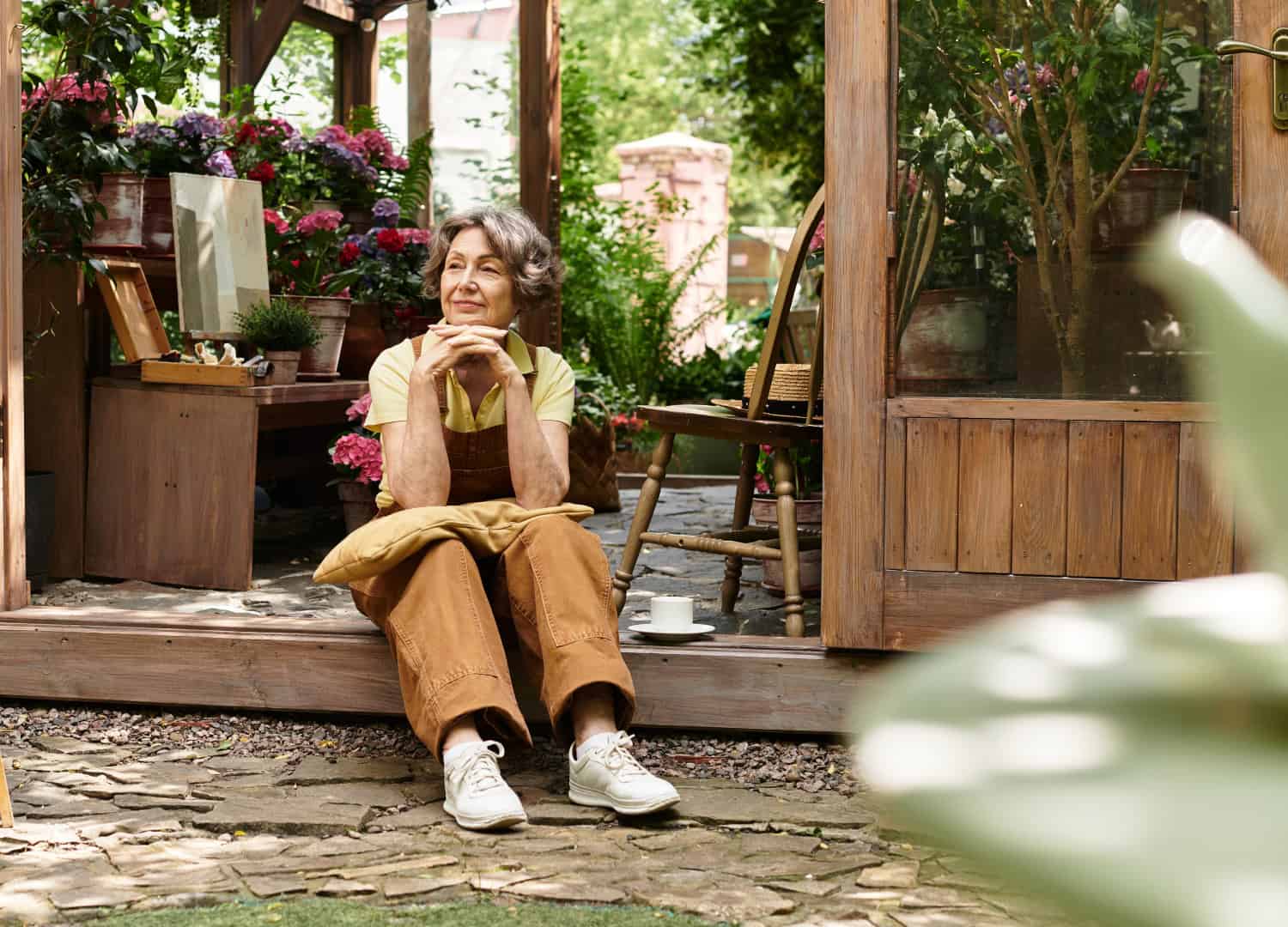
One mistake people make is treating boredom and rest as the same thing, but they aren’t.
Boredom is the urge for stimulation. Rest is the absence of overwhelm
If someone has never truly rested (not numbed, not escaped, but rested), their body won’t know how to interpret slowing down. So it labels everything “boring.”
But once rest becomes familiar, the quiet starts feeling like nourishment.
American author Anne Lamott writes, “almost everything will work again if you unplug it for a few minutes…including you.”
Leaning into the quiet
For anyone who’s lived in long-term stress, quiet can be confusing and even scary. The mind may go looking for something to stir things up simply because conflict is familiar.
Instead of fighting the quiet, it can help to get curious:
- What if this quiet is teaching me something?
- What if this is the part where I build strength?
- What if boredom is not a backward step but a forward one?
- What if routine is what my body has needed all along?
These questions turn boredom from a warning sign into an invitation.
With the support of a therapist or group therapy, a person learns how to sit in the stillness without running from it. They learn how to recognise discomfort as growth. They learn how to let the quiet strengthen them instead of spooking them back into old habits.
Why this matters at Centres for Health & Healing

At Centres for Health & Healing, clients often worry when things feel “too calm.” The clinical team sees this as a fabulous turning point: a sign that the mind is clearing, and space is opening up for deeper work.
The structure of residential care makes this possible. Predictable days. Grounding routines. Emotional processing that unfolds at a pace the body can handle. Clients begin to notice that the world feels quieter and their cravings ease. That quiet, once uncomfortable, starts to feel like relief.
Healing settles and roots itself. It grows in the tiny, almost unremarkable moments that string together into a beautiful life.
Final words
If a person is in that in-between place where healing feels plain and they don’t quite know what to make of it, they’re not alone. Centres for Health & Healing can walk with them through this stage, helping them make sense of the calm and grow into it. Our team specialises in the kind of grounded, compassionate care that allows recovery to take hold in real, lasting ways.
When the noise fades, and life finally steadies, no one should have to walk that quieter road alone.
Contact us today to see how we can help.