



It’s completely natural to feel a little burnt out or flat after the holiday season ends, and you’re not alone in these feelings.
For many, the festive period brings a lot of joy, anticipation, and plenty of distraction from the everyday humdrum.
Which might otherwise be jam-packed with tight work schedules, the school run, and regular routines that can often keep us from feeling anything at all.
Once December hits, routine and structure often go out the window, and connection and excitement take their place.
The festive season, as fun as it can be, can take us out of our normal window of capacity, putting us into nervous system states we don’t often experience.
However, once the festive season fades, regular routines slowly return and, for many, the comedown begins to set in, an emotional hangover that is often referred to as ‘the holiday blues.’
As mentioned, feeling a little out of sorts is to be expected as you get used to everyday life after the holidays. Still, for some, the post-holiday blues and continuous low mood can often signal a much deeper mental health need.
Let’s explore this further.
What are post -holiday blues?
The post-holiday blues are precisely that: feeling down, sad, depleted or blue when all the noise, rush, and chaos come to a grinding halt and, before you know it, you’re catapulted back into everyday life.
Many people experience emotional, physical and mental fatigue as part of the post-holiday blues.
Which is to be expected since the ‘season to be jolly’ often disrupts everyday routines, sleep patterns, eating habits and emotional regulation, especially for those managing stress, family pressures, and even grief.
You may also experience the following:
- Irritability and/or emotional fatigue.
- Low energy or motivation.
- Changes in your sleep pattern.
- Trouble concentrating or ‘getting back on track.’
- Feeling disappointed or experiencing a loss of momentum.
As unpleasant as all this can be, most people find that these feelings tend to ease off after a few weeks as everyday routines return and their nervous system begins to settle down.
However, for some, the continuous low mood lingers on and can actually signal a much more profound mental health issue.
We’re here to help.
Contact us today for a no-obligation conversation with one of our professionals.
When low mood means something more.
Unlike the post-holiday blues, which are usually temporary, low mood tends to persist beyond the usual ‘comedown’ period many of us experience once the tinsel has been put away and sugary candy canes become a distant memory.
Low mood tends to hit differently, persisting beyond a few weeks, and interfering with one’s everyday life.
These are the two key factors that distinguish typicalpost-holiday feelings from severe mental health issues like depression or anxiety that may require professional help.
Unlike the festive blues, the symptoms of low mood are a cause for concern and may indicate that you or your loved one needs professional support to manage your condition.
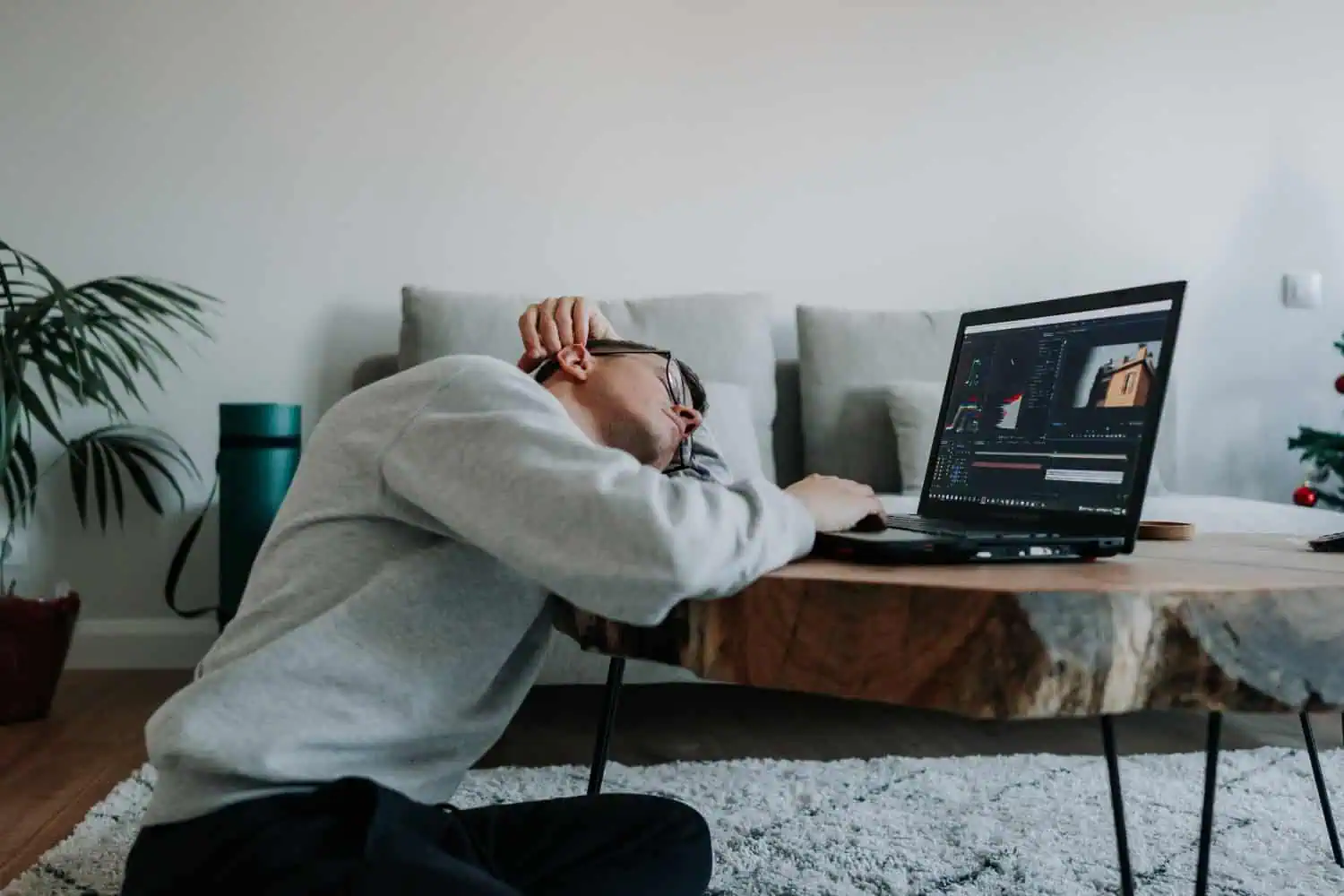
Warning signs to look out for here include:
- Persistent numbness, sadness, and/or hopelessness.
- Withdrawing from relationships or daily responsibilities.
- Ongoing appetite or sleep changes, such as sleeping or eating too much or not enough.
- Persistent feelings of shame, guilt, or worthlessness.
- Increased use of substances like drugs or alcohol to cope.
- Loss of interest in activities or pursuits you once enjoyed.
- Difficulty functioning at work or at home.
It’s worth noting here that those with existing mental health issues, such as anxiety, depression or substance use, may find the holiday season particularly destabilizing, requiring them to seek additional support both during and after the festivities end.
If this sounds like you or someone you care about, reaching out for support is a brave and empowering step toward feeling better and taking control of your well-being.
These kinds of symptoms rarely resolve on their own, particularly when ingrained in deeper psychological patterns that extend beyond the typical ‘holiday blues’ many experience.
Early intervention can help:
- Prevent your symptoms from worsening.
- Reduce unhealthy coping strategies (such as substance use or compulsive spending).
- Improve your mood, sleep, and emotional regulation.
- Restore a sense of clarity, safety, structure and hope.
There is no shame in reaching out – in fact, it is a sign of just how self-aware you are and that you actually care enough about your health and well-being to seek the help you know you need.
Contact our rehab centre in Canada today to learn more about your treatment options and how our team can help you get your life back on track after the holiday season and beyond.
The role of trauma, grief, and addiction
As mentioned earlier, the holiday season can exacerbate what was already there – throwing fertilizer on symptoms of unresolved trauma, grief or emotional pain.
This often means your symptoms may feel much worse, even flaring up during and after the festive period.
However, what often happens is that many people’ push on through’ the holidays for the sake of family, not to mention the pressure to be constantly jolly and entertaining, only to feel the emotional impact once it all ends.
Substances like drugs and alcohol are used by many to cope with the aftermath of it all, which can have a detrimental impact on their mood and sleep.
They can even heighten anxiety as the noise of the holidays begins to quieten down.
What’s more, symptoms of anxiety and depression may, in large part, be due to emotional dysregulation or burnout compounded by substance use.
Whatever outlet or vice we use to cope is often the very thing we end up needing help to overcome, and the holidays tend to add additional layers to these challenges due to the expectations and pressures this season often brings.
How treatment can help
At our treatment centre in Canada, we understand just how deeply people can be impacted by their mental health during specific seasons and milestones, the festive period being the most significant.
We provide evidence-based treatments, including individual therapy and holistic approaches, tailored to your needs to help you recover and regain stability.
Our team understands that low mood, especially after the holiday season, often has multiple contributing factors, with the main ones being stress, grief, and existing relational issues.
We provide comprehensive, holistic treatment programs to effectively address these challenges, taking into account your background, medical history, treatment preferences and recovery goals.
At our rehab centre in Toronto, a typical treatment plan can look like the following:
- A comprehensive mental health and addiction assessment during the intake phase.
- Individualized treatment planning once we know more about you, your challenges, and your recovery goals.
- Trauma-informed therapeutic support to help you address deeper emotional wounds that may worsen your symptoms and fuel your triggers.
- Therapy for co-occurring mental health conditions and substance use concerns.
- Ongoing aftercare support to help you stay on track, manage triggers, and avoid relapse once you return home after treatment.
At Centres for Health and Healing, our approach is to meet clients wherever they are in their journey, with care, compassion and expert-led treatment that feels safe, respectful and tailored to their needs and preferences.
What to do next

If you or your loved one is here because you feel the post-holiday blues haven’t yet lifted, or if your low mood feels like it’s persisting, and/or becoming overwhelming or hard to manage, you are not alone.
Support is available.
You don’t have to face these struggles alone or wait until things feel unmanageable to reach out.
Seeking support now can make all the difference to your recovery and to how you feel moving forward.
Contact our compassionate, professional team in confidence today for a no-obligation discussion about treatment options and how we can help.
We are here and ready to listen whenever you are ready to talk.