


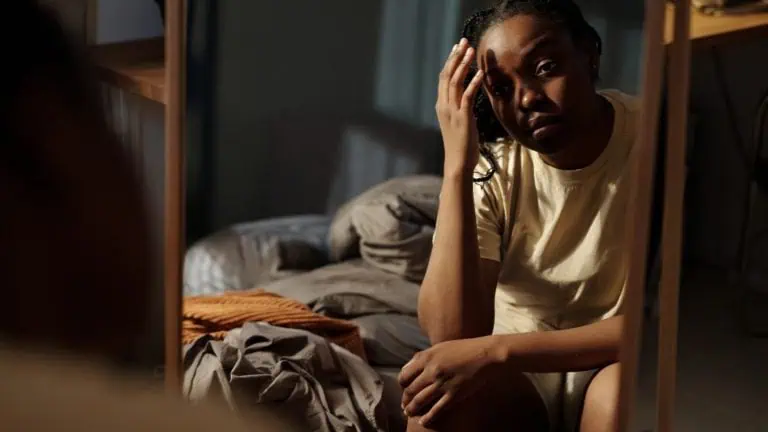
Complex trauma, often referred to as complex post-traumatic stress disorder, is a type of trauma that occurs due to repeated exposure to traumatic events, particularly those centred around interpersonal relationships.
While many are familiar with post-traumatic stress disorder (PTSD), fewer people understand the unique challenges of Complex PTSD (C-PTSD), which can have a detrimental impact on mental health and well-being.
Complex trauma frequently arises in situations where individuals face persistent stressors without sufficient support or a sense of safety. Some examples of this include:
- Childhood abuse: Experiencing physical, emotional, or sexual abuse during crucial developmental stages.
- Domestic violence: Growing up in a home where violence is a consistent presence.
- Community violence: Being exposed to acts of violence within one’s community, such as gang-related incidents or armed conflict.
When the brain encounters trauma, it can become locked in a chronic stress response. As a result, the person may remain in constant “survival mode,” making it difficult to feel calm or safe.
Understanding complex PTSD
As mentioned, C-PTSD often occurs after ongoing or prolonged trauma, such as childhood neglect or abuse, long-term domestic violence, or repeated experiences of emotional, sexual or physical harm.
Factors like cultural disconnection, systemic barriers, or limited access to care may compound these experiences, leaving many individuals without the care and support they need to begin recovering from their past.
At Centres for Health and Healing, we understand that C-PTSD is more than memories related to a difficult past. The condition can deeply affect how individuals relate to others, see themselves, and move through daily life.
For instance, many people with C-PTSD carry a lot of guilt, shame, and avoidance because of how their experiences have impacted them relationally, leaving a lasting imprint on the nervous system that extends beyond typical PTSD symptoms.
How we can help

At Centres for Health and Healing, our trauma-informed programs are designed to help you feel supported, safe and hopeful as you work toward recovery and wellness.
Our team uses evidence-based treatment and care, including behavioural therapy and individual treatment tailored to your needs and circumstances, helping you work through your trauma safely and at a pace that feels supportive and aligned.
We understand the profound impact that prolonged exposure to stress, particularly in the early years, can have on an individual’s sense of safety and self, and our team works with you to help you rebuild a life that feels both meaningful and transformative.
A life you could have only imagined at the beginning.
We’re here to help.
Contact us today for a no-obligation conversation with one of our professionals.
Living with C-PTSD: How complex trauma affects relationships, identity, and recovery
Trauma often (yet subtly) impacts relationships, making it especially difficult for those with C-PTSD to trust, feel safe, or connect with others. You may find yourself:
- Feeling overly sensitive to rejection or criticism.
- Struggling with trust, even in close relationships.
- Feeling emotionally distant or guarded.
- Experiencing anxiety when relationships grow intimate.
- Repeating painful relational patterns.
None of the above indicates weakness or personality flaws – these are natural responses from a dysregulated nervous system that has learned to protect itself in any way that it can, i.e., avoidance, denial, and even projection.
At our treatment centre in Canada, we help people identify these patterns and begin building new, healthier forms of connection so that relationships begin to feel safe and harmonious rather than harmful or threatening.
Through approaches such as CBT (cognitive behavioural therapy), you can identify and explore old beliefs and ingrained patterns that may no longer serve you, and work toward healthier, more empowering ways of thinking and relating.
Identity and self-worth after complex trauma

Long-term stress or adversity, particularly when they happen in early childhood, can shape your beliefs about yourself and the world.
You may consciously (or unconsciously) develop beliefs that affect your identity and self-worth, putting you in a state of constant hypervigilance, where you may start to believe the following:
- “I’m not safe.”
- “I don’t matter.”
- “I must always take care of others.”
- “The world is scary, lonely or unpredictable.”
Over time, these beliefs can erode your sense of identity and self-worth, leading to feelings of shame, self-criticism, or a sense of disconnection from your core self.
Recovery at Centres for Health and Healing involves gently rediscovering your own voice, values, perceptions, and strengths, helping you reconnect with who you are beyond your past experiences.
Family support and group therapy in Toronto
Approaches such as group therapy and family support gently encourage you to open up to others and begin sharing your experiences in a safe, supportive environment, increasing your capacity for trust and helping you see beyond your past.
Over time, this signals to your nervous system that it’s okay to feel safe in connection with others, and that the world isn’t as scary and unpredictable as you once thought.
This allows you to connect more deeply with your most authentic self and experience a greater sense of purpose and self-worth.
Symptoms of complex trauma
Those living with C-PTSD or complex trauma may exhibit a range of different signs and symptoms, such as:
- Dissociation – Individuals may feel detached from reality or themselves, feeling disconnected from their bodies or experiencing amnesia.
- Emotional dysregulation – Many with C-PTSD have trouble controlling their emotions, leading to intense feelings of sadness, anger, or anxiety.
- Relational issues – Challenges in building and maintaining healthy relationships due to fear of abandonment and/or trust issues.
- Negative self-perception – A deep, pervasive sense of unworthiness, shame or feeling permanently broken.
- Hypervigilance – A constant state of anxiety or alertness, as if harm or danger is always present.
The nervous system and trauma
C-PTSD affects not just the mind and emotions, but also the nervous system. You may notice:
- Being constantly on alert or hypervigilant.
- Trouble managing emotions.
- Feeling emotionally overwhelmed.
- Trouble sleeping or chronic anxiety.
- Periods of numbness or disconnection (dissociation).
Understanding these reactions as adaptive responses designed to protect you, not as personal flaws, can be an important first step in your healing journey.
Our clinicians are trained to help you develop tools and techniques for nervous system regulation, such as mindfulness and breathwork, so that you can experience a deeper sense of inner calm and safety.
C-PTSD treatment in Toronto
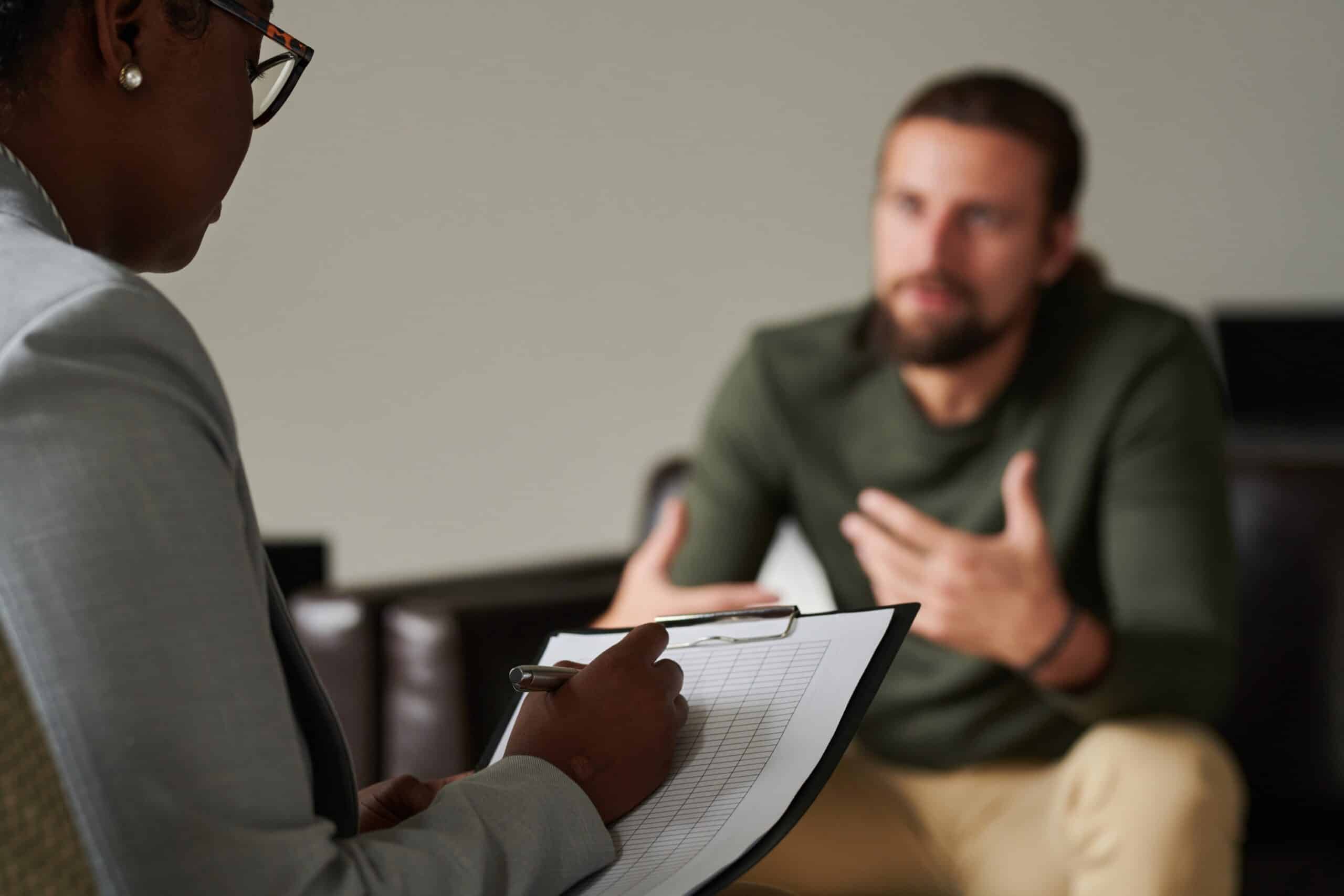
Healing from C-PTSD is a gradual process that requires time, patience, and a compassionate, multimodal approach. By nurturing your nervous system, you can begin to rewire self-protective patterns into a sense of relational safety and trust.
At Centres for Health and Healing, we are here to support you every step of the way by helping you to:
- Process your trauma safely and at your own pace through trauma-informed treatment such as CBT and DBT.
- Build stronger boundaries and self-compassion through individual and group therapy sessions tailored to your unique needs and goals.
- Reconnect with your community and sense of purpose through peer support and family programs that encourage you to share your story while staying accountable.
- Experience relationships based on trust, safety and respect while receiving ongoing aftercare and support from our professional team of trauma-informed experts.
Our multidisciplinary team understands the unique experiences of those living with complex trauma, and we’re here to provide compassionate, evidence-based care to help you begin living a life of joy and purpose instead of self-protection and limitation.
Bottom line
Living with C-PTSD can be profoundly scary and isolating, but recovery is possible.
Many of our clients have found hope, empowerment, and stability through professional, compassionate treatment and structured, trauma-informed care.
If you or someone you care about is struggling, our professional team is here to help.
We offer confidential guidance and can connect you with the resources you need to begin your journey to lasting healing and wellness.
Contact us in confidence today.
We are here to guide you through this process one gentle step at a time.