


Sometimes people use the words “anxiety” and “panic attack” interchangeably. Someone feels overwhelmed, and they start feeling their chest tighten. Their thoughts spiral, and they say they’re “having a panic attack.” Sometimes they are, but sometimes they aren’t.
The difference matters less for labels and more for understanding what is actually happening in the body and mind. Anxiety and panic do overlap, but they do not always feel the same.
Thinking of them in terms of a weather analogy: One tends to build slowly, like a storm brewing over several hours or days. The other often arrives suddenly like a lightning strike.
Both can feel awful to those experiencing them. They both can affect sleep, relationships, concentration, work, appetite, and physical health. Both can leave people feeling exhausted and scared by their own minds, and both are far more common than many people realise.
One of the most difficult parts is that anxiety and panic can feel incredibly physical: a racing heart, dizziness, uncontrollable shaking, nausea, chest pain, tingling hands, and trouble breathing. People may end up convinced they are having a medical emergency, and in those moments, it feels real because the body is reacting as if they are.
The nervous system does not always care whether the threat is emotional, imagined, remembered, or immediate. If it believes danger exists, it responds.
Understanding the difference between anxiety and panic attacks can help people feel less confused by what’s happening inside them and more equipped to find the right kind of support.
We’re here to help.
Contact us today for a no-obligation conversation with one of our professionals.
Anxiety usually builds. Panic usually explodes
Anxiety tends to be more gradual. It develops around stress, uncertainty, conflict, health concerns, finances, relationships, work, or other emotional strain. Sometimes there is a clear reason, and other times, there isn’t.
People living with anxiety often describe feeling “on edge” for long stretches of time. Their body remains activated even when nothing is happening that should cause it. The nervous system starts scanning constantly for problems, future disasters, embarrassment, rejection, or danger.
It can look surprisingly functional from the outside.
Someone may still go to work, answer emails, care for their children, and “seem fine” while inside, they are carrying a constant dread. Anxiety isn’t always dramatic, but it is relentless.
Common symptoms of anxiety include:
- Excessive worrying
- Restlessness
- Muscle tension
- Trouble sleeping
- Difficulty concentrating
- Irritability
- Racing thoughts
- Fatigue
- Digestive issues
- Increased heart rate
Panic attacks, on the other hand, are usually more intense. They often happen within minutes and can feel terrifying. During a panic attack, the body enters a fight-or-flight response, and many people genuinely believe they are dying, losing control, fainting, or having a heart attack.
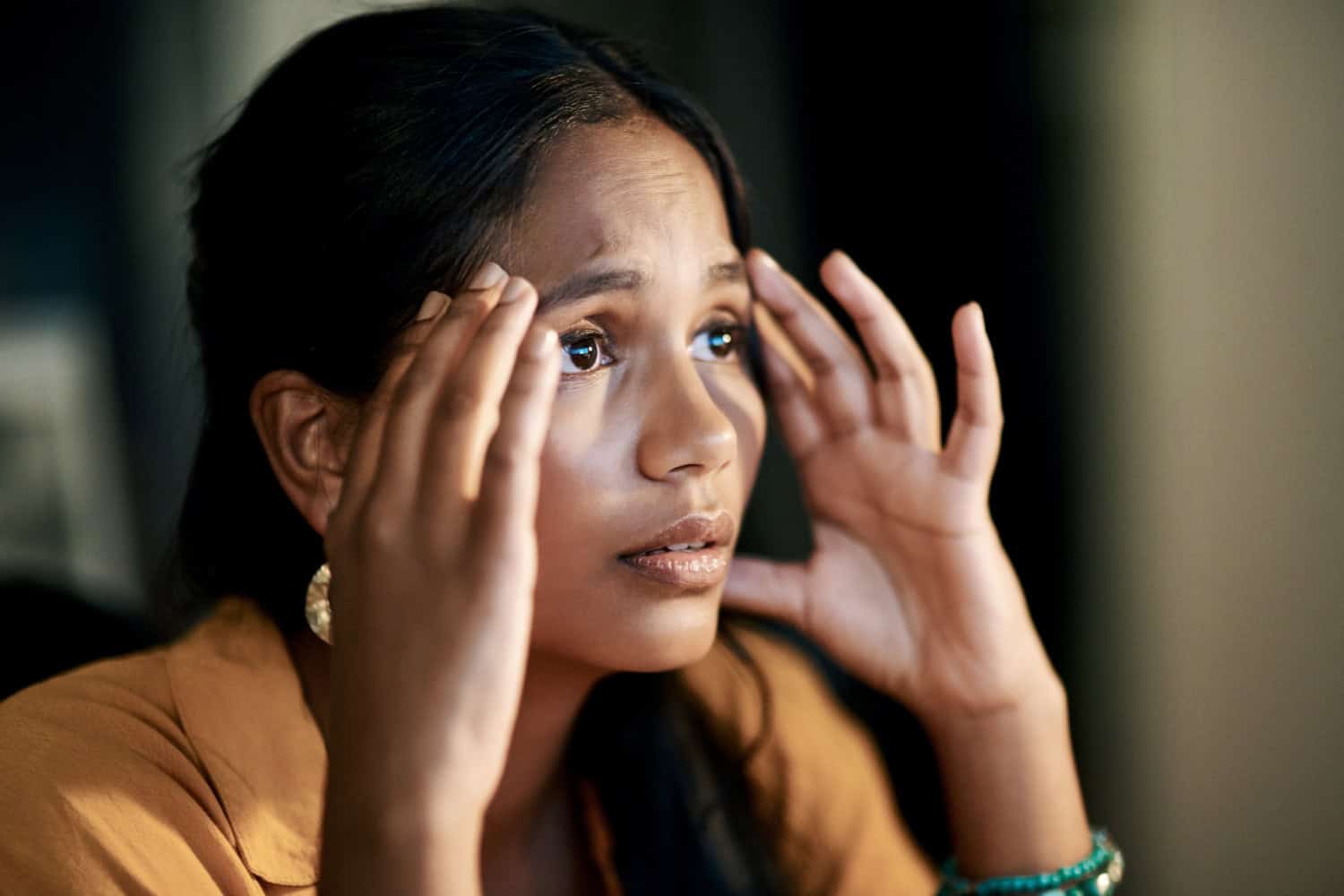
Other symptoms of a panic attack may include:
- Sudden racing heartbeat
- Chest pain or tightness
- Sweating
- Trembling
- Shortness of breath
- Feeling detached from reality
- Dizziness
- Tingling or numbness
- Nausea
- Fear of dying
- Fear of “going crazy”
What makes panic frightening is how quickly it can happen. Someone can be grocery shopping, driving home, sitting in a meeting, or even resting in bed when a panic attack occurs.
Afterwards, many people begin fearing the panic attack itself. That’s where another layer often develops.
The fear of the fear
After someone experiences a panic attack, they may start avoiding places or situations where it happened before. A crowded shop, a motorway, an airplane, a restaurant, or even standing in line somewhere.
The mind likes patterns, so it starts creating associations.
What if it happens again?
What if I embarrass myself?
What if I can’t escape?
What if nobody helps me?
This is one reason panic disorders can become so isolating. The person is not simply afraid of circumstances. They become afraid of their own nervous system and what their body might suddenly do without warning.
That level of hypervigilance is exhausting.
On the other hand, constantly monitoring the body for signs of panic can make panic more likely because the nervous system stays locked in detecting threats.
Why anxiety and panic feel so physical
Many people are shocked by how physical anxiety can become.
They expect emotional distress to stay emotional, but then the body gets involved.
The heart races because stress hormones are released, and then breathing changes. Muscles tighten, digestion slows, and blood flow shifts toward surviving. Adrenaline surges through the body preparing it to fight or run away.
None of this means someone is “making it up.” Quite the opposite.
The body is doing exactly what it was designed to do during perceived danger. The problem here is that the alarm system can become overactive.
According to the American Psychological Association, chronic stress and anxiety can significantly affect the body, including cardiovascular, digestive, and immune functioning (“Stress effects”, 2024).
This is also why people with anxiety often end up frustrated with themselves. They may logically understand they are safe while physically feeling unsafe. Healing involves helping the nervous system relearn safety rather than simply trying to “think positive.”
Sometimes there is no obvious cause
One of the more confusing parts of panic attacks is that they do not always happen during obvious stressful moments.
Some people panic during periods of quiet, like on holiday or while watching television. Sitting at home on a normal Tuesday evening can be where a panic attack occurs. This is confusing because the person starts believing panic is random or uncontrollable.
But behind the scenes, the nervous system has been carrying around stress for a long time. Eventually, the body reaches a threshold. People are sometimes disconnected from how stressed they truly are, especially high-functioning individuals who are used to pushing through.
When anxiety starts running your life
Everyone experiences anxiety sometimes. Anxiety itself is not the problem; it is a normal human survival response.
The concern is when anxiety becomes chronic, overwhelming, or disruptive to daily life.
Some signs it may be time to seek professional support:
- Constant worrying that feels too hard to control
- Panic attacks occurring repeatedly
- Avoiding normal activities because of fear
- Sleep problems that don’t improve
- Difficulty functioning at work or in relationships
- Feeling emotionally exhausted most days
- Physical symptoms with no clear medical explanation
- Using alcohol, substances, food, or compulsive behaviours to cope
- Feeling trapped in cycles of fear and avoidance
Too many people wait until they are completely overwhelmed before seeking help. They minimise their symptoms because others “have it worse,” or because they have spent years functioning in survival mode, and they are just used to it.
Struggling silently for years should not become the requirement for deserving support.
Treatment can help more than people realise
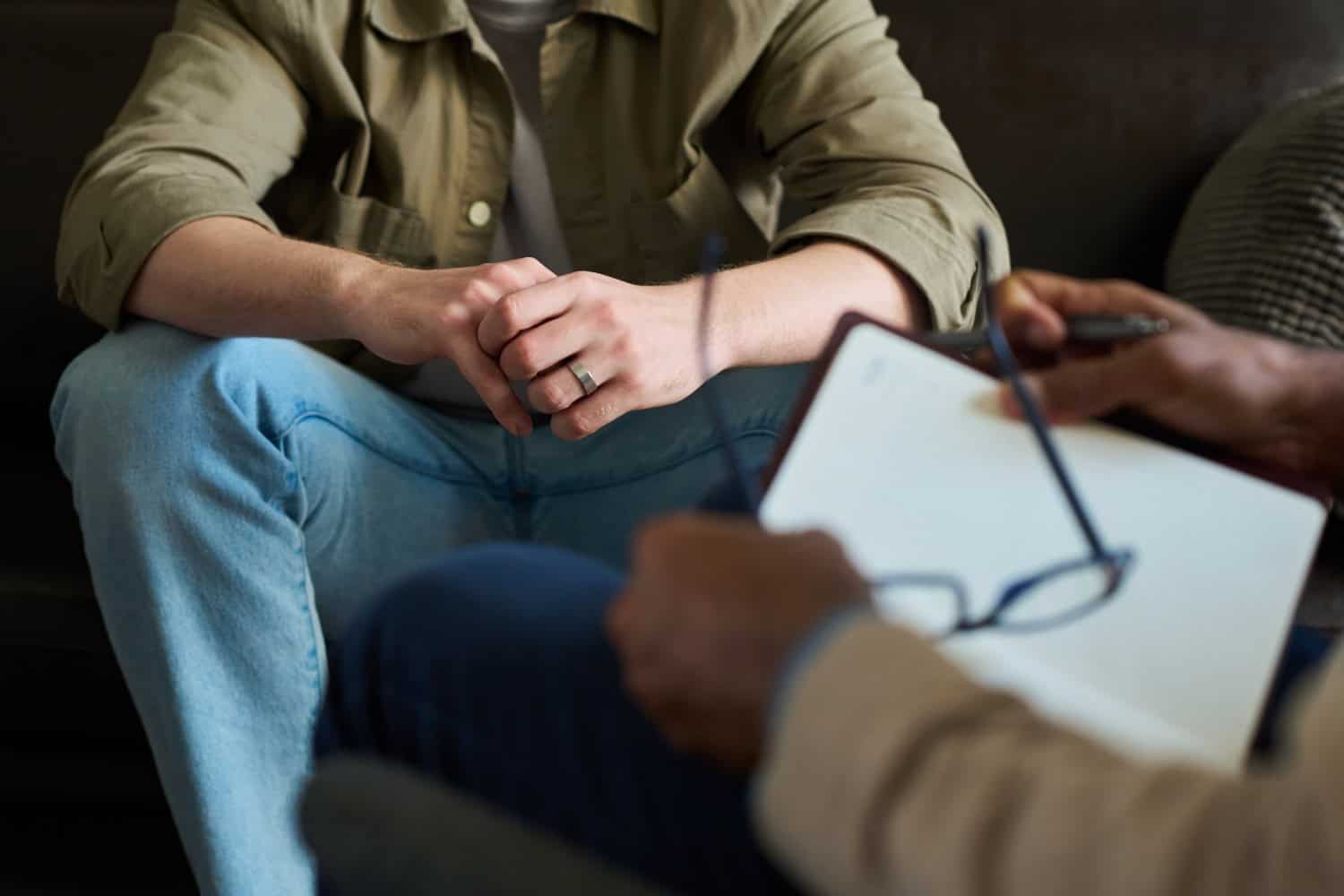
People sometimes assume they simply have to “live with” anxiety forever exactly as it is, but that’s not true. Anxiety and panic are highly treatable.
Support may include therapy, nervous system regulation techniques, lifestyle changes, trauma-informed care, mindfulness practices, medication, or a combination of approaches depending on the person.
Cognitive behavioural therapy (CBT) is one of the most researched treatments for anxiety and panic disorders. CBT can help individuals identify thought patterns, reduce avoidance behaviours, and develop healthier coping responses (Nakao et. al., 2021).
Unresolved trauma also plays a significant role in chronic anxiety and panic attacks. Trauma can keep the nervous system in an alert state long after the original danger has passed. This is why healing often requires more than simply “calming down” or “thinking positive.” It involves rebuilding a sense of internal safety.
And importantly, healing does not always look like healing.
Sometimes it looks like:
- Driving somewhere without rehearsing escape routes
- Falling asleep without dread
- Going through an entire grocery shop without panic
- Sitting still without feeling haunted by your own thoughts
- Feeling present in your own life again
- Laughing and meaning it
Small moments of peace are a big deal.
A final thought
People with anxiety often become experts at hiding it.
They still answer texts, go to work, make dinner, and show up for other people while privately fighting battles nobody sees.
Panic attacks can be even lonelier because they feel so hard to explain unless someone has experienced one themselves. The fear can feel irrational afterwards, yet completely real in the moment.
Having anxiety and panic attacks means that the nervous system is overwhelmed and asking for attention. Despite what many people have been taught, constantly living in survival mode is not something the body eventually “gets used to.” The body adapts, yes, but often at a cost.
Sometimes healing begins with something surprisingly simple: understanding what is actually happening instead of fearing it in isolation.
Centres for Health & Healing is here for you

Anxiety and panic can make people feel disconnected from themselves, exhausted by their own thoughts, and trapped in cycles they don’t understand. But support exists, and healing is possible.
At Centres for Health & Healing, we offer compassionate mental health support for those struggling with anxiety, panic attacks, stress, trauma, and more.
Contact us today to start the conversation.
References:
- American Psychological Association. (2024). Stress effects on the body.
- Mayo Clinic Staff. (n.d.). Panic attacks and panic disorder. Mayo Clinic.
- National Institute of Mental Health. (n.d.). Generalized anxiety disorder (GAD). U.S. Department of Health and Human Services.
- Nakao, M., Shirotsuki, K., & Sugaya, N. (2021). Cognitive-behavioral therapy for management of mental health and stress-related disorders: Recent advances in techniques and technologies. BioPsychoSocial medicine, 15(1), 16.